
News
JOBSITE SLIP, TRIP, AND FALL PREVENTION SAFETY
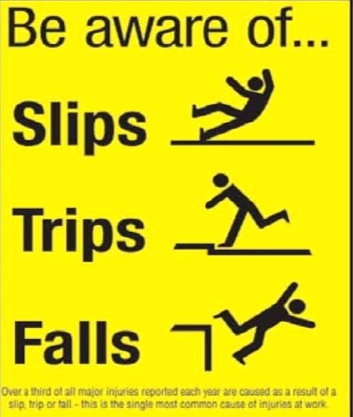
A safety talk focused on preventing slips, trips, and falls on jobsites, including walking surfaces, weather, cords, hoses, materials, ladders, housekeeping, and footwear.
Slips, trips, and falls are common jobsite injuries because walking surfaces change constantly as work progresses. Workers should watch the path ahead and avoid walking while distracted by phones, paperwork, tools, or conversations.
Cords, hoses, materials, scrap, packaging, tools, and debris should be routed, stored, or removed so they do not create trip hazards.
Wet, muddy, icy, dusty, or oily surfaces should be cleaned, marked, treated, or avoided when possible.Elevation changes should be controlled. Holes, trenches, curbs, ramps, steps, floor openings, and temporary transitions should be marked or protected.
Footwear should match the jobsite conditions. Worn soles, poor tread, or improper footwear can increase the chance of slipping
Workers carrying loads should keep visibility clear. If the load blocks the path, use help, carts, or another method.
Slip, trip, and fall prevention depends on housekeeping, awareness, proper footwear, clear paths, and correcting walking surface hazards before someone gets hurt.
Key Hazards
Safety Reminders